


What are the 9 Classes of Dangerous Goods?
The 9-class system for categorising dangerous goods is derived from the United Nations Model Regulations and adopted across air, sea and road transport globally. Under dangerous goods classification, each substance or article is assigned to a class based on the primary hazard it presents during transport. Several classes carry subdivisions, each with its own handling, packaging and documentation requirements.
Getting the DG class wrong creates safety risks for cargo handlers, warehouse personnel and transport crews, with legal and operational consequences that extend well beyond a documentation error.
Class 1: Explosives
Class 1 covers substances and articles capable of rapidly catching fire or exploding due to chemical reactions. The class is divided into six divisions based on the nature and scale of the hazard:
- Division 1.1: Mass explosion hazard (e.g. TNT, dynamite)
- Division 1.2: Projection hazard without mass explosion (e.g. certain grenades and industrial fireworks)
- Division 1.3: Fire hazard with minor blast or projection hazard (e.g. propellants, signal flares)
- Division 1.4: No significant hazard beyond the immediate package (e.g. consumer fireworks, blank cartridges)
- Division 1.5: Very insensitive substances with a mass explosion hazard (e.g. ammonium nitrate-based blasting agents)
- Division 1.6: Extremely insensitive articles with no mass explosion hazard (e.g. certain detonating cord assemblies)
Ammunition, blasting caps and commercial fireworks are the most commonly transported goods in this class. Among all DG classes, Class 1 attracts the highest level of regulatory scrutiny and the most tightly controlled conditions for ground transport.
Class 2: Gases
Class 2 are substances with a vapour pressure of 300 kPa or more at 50°C, or are gaseous at 20°C. The class contains three divisions:
- Division 2.1 (Flammable Gases): Propane, butane, acetylene
- Division 2.2 (Non-Flammable, Non-Toxic Gases): Compressed air, helium, refrigerant gases
- Division 2.3 (Toxic Gases): Chlorine, ammonia, carbon monoxide
Aerosols and fire extinguisher propellants also fall within this class. Flammability, asphyxiation and toxicity present distinct risk profiles, which is why each division carries its own containment, labelling and emergency response requirements.
Class 3: Flammable Liquids
Class 3 covers liquids that give off a flammable vapour at or below 60°C. There are no subdivisions within this class, but flash point thresholds determine packing groups, which in turn govern packaging standards and transport conditions.
Goods in this class include petrol, diesel, aviation fuel, acetone, alcohols, paints and adhesives. Class 3 is one of the most frequently encountered dangerous goods classes in Singapore’s freight network, appearing regularly across fuel distribution, industrial chemical logistics and air cargo services.
Class 4: Flammable Solids
Class 4 addresses separate combustion risks through three divisions:
- Division 4.1 (Flammable Solids): Readily combustible materials and self-reactive substances. Matches, sulphur and certain metal powders fall here.
- Division 4.2 (Spontaneously Combustible): Substances that self-heat or ignite on contact with air. Yellow phosphorus and some activated charcoals are examples.
- Division 4.3 (Dangerous When Wet): Substances that emit flammable gases when they contact water. Sodium, calcium carbide and potassium belong in this division.
For warehousing and transport in Singapore, the Division 4.3 category warrants particular attention. High humidity and the chance of water getting in during loading or unloading mean that proper separation and containment are top priorities for this group.
Class 5: Oxidising Substances and Organic Peroxides
Class 5 covers two distinct hazard types:
- Division 5.1: Covers oxidising substances that can cause or accelerate combustion by yielding oxygen, without being flammable themselves.
- Division 5.2: Covers organic peroxides, which are thermally unstable and can decompose exothermically, with some carrying secondary explosive or toxic hazards.
Ammonium nitrate, hydrogen peroxide, calcium hypochlorite and potassium permanganate are all Class 5 DG goods. Segregation from flammable materials is a specific requirement for this class across both storage and transport, which requires careful attention in shared-load or consolidated freight environments.
Class 6: Toxic and Infectious Substances
Class 6 contains two divisions:
- Division 6.1 (Poison): Toxic substances that can cause death or harm if swallowed, inhaled, or absorbed through the skin. Examples are pesticides, cyanide compounds, mercury compounds, and some industrial solvents.
- Division 6.2 (Biohazards): Infectious substances with pathogens that can cause disease in people or animals. This covers clinical waste, diagnostic samples, and viral cultures.
Both divisions carry strict documentation and packaging requirements. Businesses in pharmaceutical, healthcare or laboratory logistics will encounter outer packaging standards, UN-certified containers and detailed shipper declarations as standard parts of Class 6 compliance.
Class 7: Radioactive Material
Class 7 is for materials containing radionuclides where activity concentration exceeds regulated thresholds. Examples include medical isotopes for imaging, industrial density gauges, and uranium compounds.
Of all dangerous goods, Class 7 has the strictest transport rules. Packaging, radiation levels, and safety checks are set by international standards, which Singapore’s transport rules also follow.
Class 8: Corrosives
Class 8 covers substances that chemically degrade or destroy materials, including living tissue, on contact. Sulphuric acid, hydrochloric acid, battery fluid, formaldehyde and certain chlorides are examples.
Leakage is the primary concern during transport. Corrosive spills can damage vehicle structures, contaminate co-loaded cargo and pose serious injury risks to handlers. Each vehicle transporting Class 8 DG goods must carry appropriate spill containment equipment and meet specific inspection requirements before being approved for use.
Class 9: Miscellaneous Dangerous Goods
The Class 9 DG classification applies to materials that are hazardous in transit but do not fit the chemical hazard profiles established by the other eight classes. Examples include lithium-ion batteries, lithium-metal batteries, dry ice (solid carbon dioxide), magnetised materials, elevated-temperature substances and battery-powered vehicles.
In Singapore’s logistics, Class 9 DG appear most frequently in the form of lithium batteries. The e-commerce and consumer electronics sectors both ship these at volume, and each consignment carries specific quantity limits, packaging standards and documentation, varying depending on whether batteries are shipped separately or contained within equipment. For freight forwarders and logistics managers handling outbound air cargo from Singapore, Class 9 DG compliance is an everyday consideration, given how much of that volume now includes lithium battery-powered devices.
Transporting Dangerous Goods in Singapore: Partner with a DG-Certified Provider
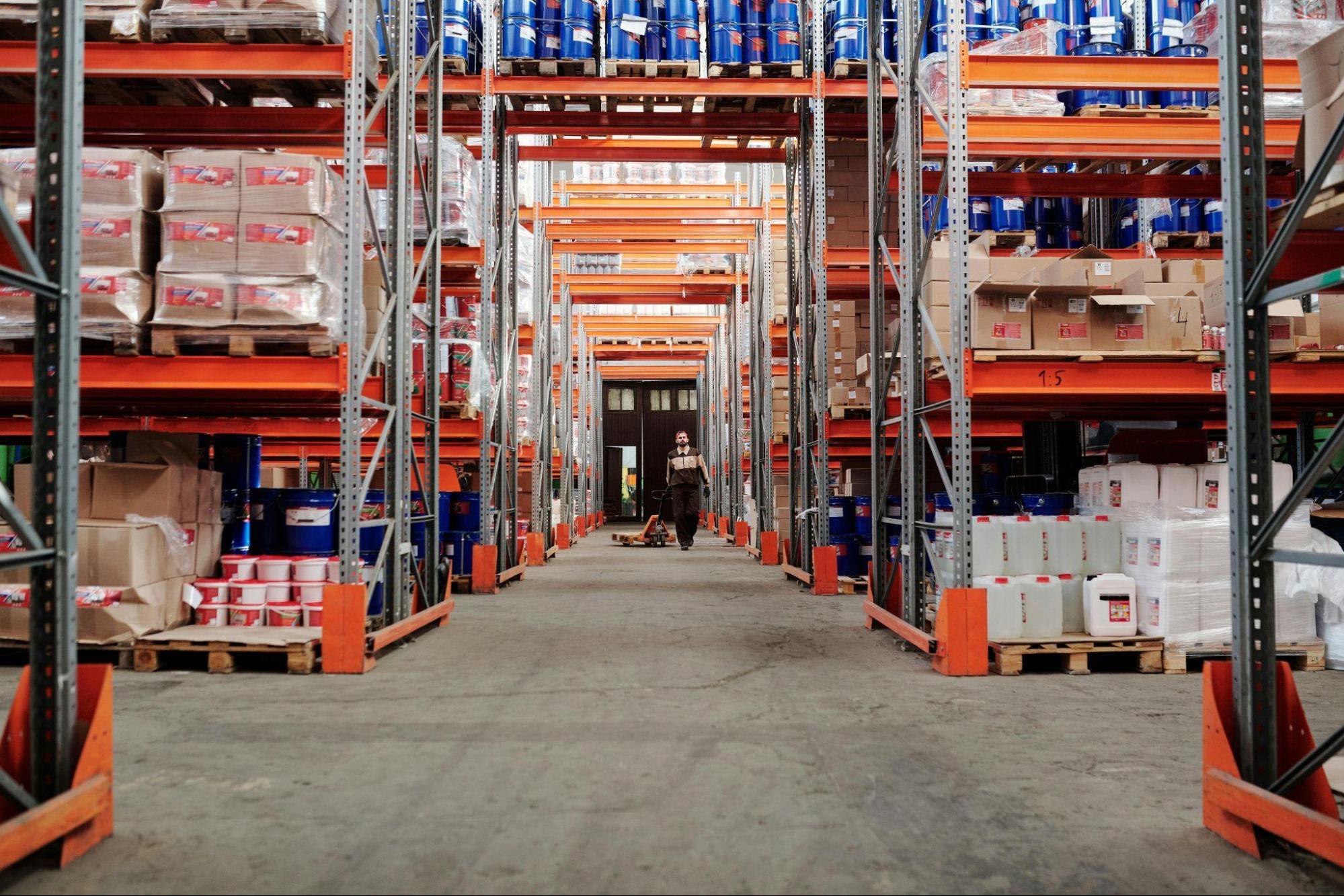
Getting DG goods to their destination compliantly on the ground requires a separate layer of operational readiness. Road transportation of petroleum and flammable materials in Singapore is regulated under the Fire Safety (Petroleum and Flammable Materials) Regulations, administered by the SCDF.
- Vehicles transporting P&FM above exemption thresholds must hold a SCDF-issued P&FM Transport Licence.
- Licences are valid for up to two years and can be applied for via the GoBusiness licensing portal.
- Drivers must hold a valid HazMat Transport Driver Permit (HTDP), which requires passing security screening and completing the HazMat Transport Driver Course at an SCDF Accredited Training Institution.
Vehicles must also follow SCDF-approved routes, which were updated in October 2025 to include additional roads in Sungei Kadut, Tuas and Woodlands. Corrosives and toxics fall under NEA regulation, and explosives under SPF, each with its own transport requirements.
Meeting those requirements starts with choosing a transport operator that already holds the right certifications. SH Ground Services operates a fully DG-certified truck fleet, equipped with mandatory safety items including fire extinguishers, spill kits and compliance stickers, so shipments leave the warehouse already compliant.
As a 3PL logistics in Singapore, SH Ground covers ground transportation, air cargo services and warehousing, with the infrastructure and certifications to support select DG shipments as a specialist logistics service provider. Contact SH Ground Services directly to confirm which DG goods the certified fleet can handle and to understand the documentation and permit requirements specific to your cargo.
Partner with SH Ground for Compliant DG Logistics
Every DG shipment begins with correct classification. Each of the nine classes carries a distinct hazard profile, documentation requirement and set of handling obligations, and errors at the classification stage create problems at every point downstream. For businesses moving DG goods across Singapore, engaging a certified logistics partner with the right permits, vehicles and trained personnel is a fundamental operational requirement.
Speak with SH Ground Services to discuss your dangerous goods transportation needs and find out which DG classes the certified fleet can support.