


Air Freight Process: How Goods Move Swiftly from Singapore to the World
Moving goods across borders involves more than just transport. It requires careful coordination at every stage, from origin to final delivery. Any misstep can lead to delays and disruptions.
In a complex logistics landscape like Singapore’s, the air freight process involves multiple stakeholders and requirements. At the heart of it all is Changi Airport, a global cargo powerhouse that handled 2.08 million tonnes of freight in 2025 alone. With that level of volume, understanding how goods move, who is involved, and what documents are needed is key to keeping operations smooth and compliant.
What is Air Freight Shipping?
Air freight shipping is the fastest way to move goods globally, using commercial and charter aircraft to ensure time-sensitive shipments reach their destinations quickly and reliably.
Why Choose Air Freight
So, why choose air freight over other transport modes? When speed matters most, air freight stands apart from other transport modes.
Key benefits of air freight include:
- Speed and reliability: Short transit times make it ideal for urgent, high-value, or perishable goods.
- Global reach: Access to major airports and frequent flights allows businesses to ship goods worldwide with ease.
- Real-time tracking: Modern aviation technology provides clear visibility, so shipments can be monitored at every stage.
- Lower risk of damage or loss: Fewer handling points and strict airport security measures help minimise the risk of damage, loss, or theft during transit.
- Faster customs clearance: Streamlined processes help reduce delays and keep shipments moving.
What is the process of airfreight?
From initial booking to final delivery, each stage ensures air cargo moves efficiently, securely, and without delay. Here is how it works:
1. Booking Your Shipment
The process starts with the air cargo booking procedure, where a reliable 3PL partner like SH Ground Services, together with a forwarding agent, manages booking and routing.
At this stage, you will need to prepare the essential documentation required by Singapore Customs:
- Commercial invoice: Provides details of the goods, including value, quantity, and buyer/seller information for customs clearance.
- Packing list: Outlines how the goods are packed, including weight, dimensions, and contents of each shipment unit.
- Air waybill (AWB): Acts as the contract of carriage between the shipper and airline, and includes shipment details and routing.
- Permits and licences: Required for controlled or regulated goods, submitted through Singapore Customs to ensure compliance.
2. Cargo Handling at Origin
Once booked, your shipment is prepared for air transport at the origin warehouse or air freight cargo terminal, supported by efficient air freight handling services. This stage involves:
- Palletisation and unitisation: Cargo is consolidated into pallets or Unit Load Devices (ULDs) to optimise space and ensure safe transit.
- Labelling and documentation checks: Shipments are labelled and verified against documentation to ensure accuracy and compliance.
- Security screening and inspections: This includes skidding and handling procedures to meet aviation safety standards.
3. Inspections and Customs Clearance
Before cargo is loaded onto an aircraft, it must pass customs inspections and meet regulations. A reliable logistics service provider can streamline this process by managing permit applications through TradeNet, which is Singapore’s national electronic system for submitting customs declarations and permit applications.
Customs clearance is typically carried out within Free Trade Zones (FTZs), such as the Changi Airfreight Centre, where cargo can be stored, handled, and cleared efficiently before export.
4. Transport to the Airport & Loading
Once customs clearance is complete, cargo is transported from the warehouse to the airport for loading. At Changi Airfreight Centre, shipments are consolidated into ULDs, which are standardised containers or pallets used to group cargo for secure and efficient loading onto aircraft.
5. In-Flight Cargo Movement
During the flight, cargo is stored in the aircraft’s cargo hold or in the lower deck of passenger aircraft, depending on the shipment type. Temperature-controlled compartments are used for sensitive goods such as pharmaceuticals or perishables, ensuring they remain in optimal condition throughout the journey.
Advanced tracking systems provide real-time visibility, allowing shipments to be monitored at every stage of the air freight process. With minimal handling points during transit, the risk of damage or theft is also significantly reduced.
6. Arrival and Unloading at Destination Airport
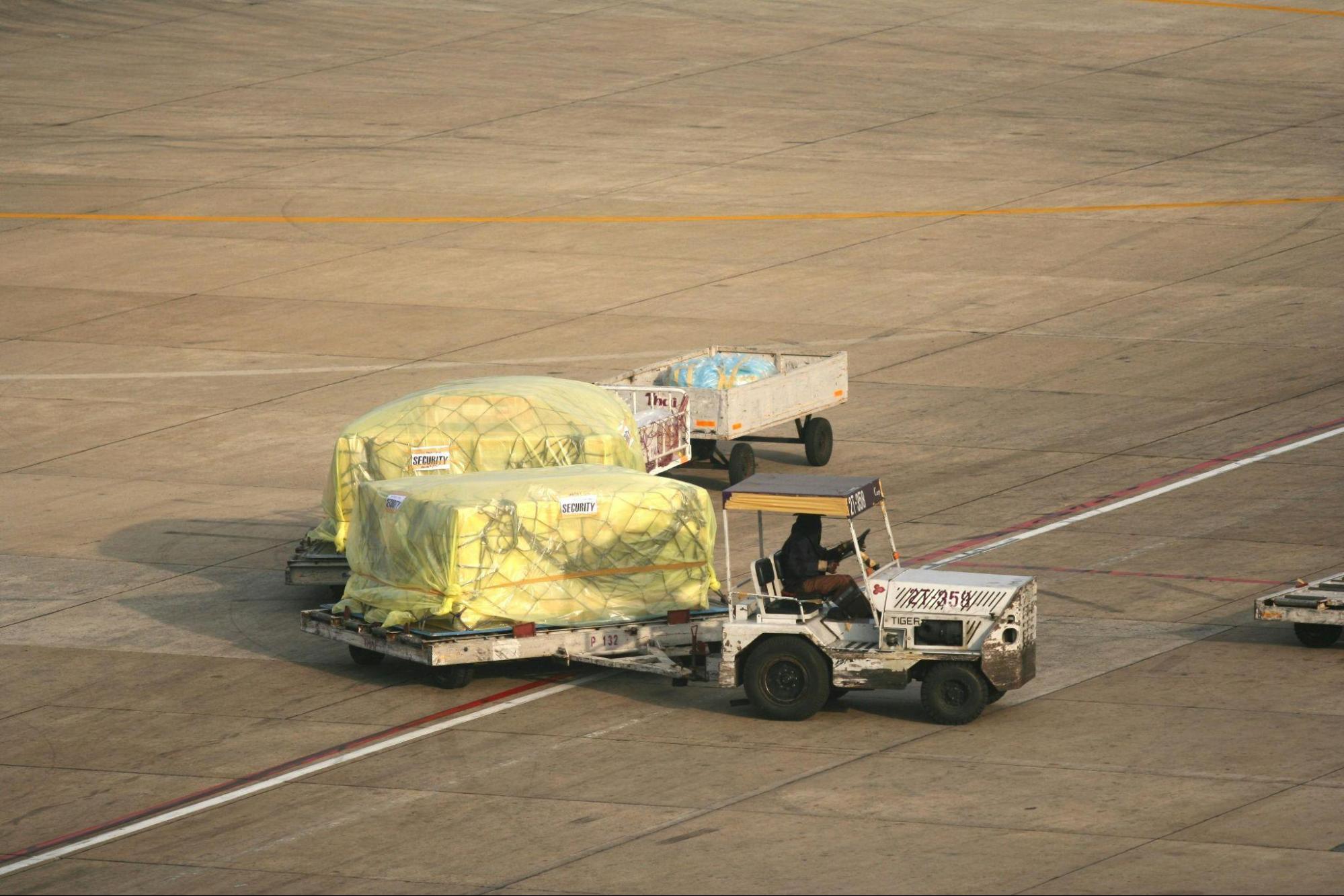
Upon arrival at the destination airport, cargo is unloaded from the aircraft and transferred to the cargo terminal for inspection. It then undergoes security and customs checks before being deconsolidated from ULDs for sorting. Handling by ground teams at the terminal helps prevent bottlenecks and prepares the shipment for final delivery.
7. Final Delivery to Consignee
Finally, the last-mile delivery moves goods from the airport to the final destination, such as a warehouse, distribution centre, retail outlet, or directly to the client’s facility. Coordination and careful handling ensure timely, damage-free arrival and regulatory compliance, completing the air freight transportation cycle successfully.
Partner with SH Ground Services for Seamless Air Freight in Singapore
Efficient air freight requires expert handling, clearance, and transport, as well as a partner who understands the process and regulations.
At SH Ground Services, we deliver end-to-end air freight solutions tailored to your business needs, including air cargo shipping, FTZ clearance, transport, secure warehousing, and advanced reporting.
We focus on compliance, speed, and transparency to deliver cost-effective logistics.
Contact SH Ground Services to optimise your air freight.