



What is Supply Chain Collaboration? A Guide for Modern Logistics
Supply chains today are more complex than ever, shaped by shifting demand, tighter delivery timelines, and increasing regulatory requirements. For logistics teams, managing every moving part independently is no longer practical.
Supply chain collaboration addresses this by aligning goals, information, and operations across partners to drive stronger performance, especially in Singapore’s fast-paced logistics environment.
In practice, supply chain collaboration can be grouped into three main types, each addressing a different aspect of logistics operations.
The Different Types of Supply Chain Collaboration
Supply chain collaboration takes different forms depending on where coordination happens and who is involved. Each type addresses a distinct aspect of logistics operations, and most successful businesses leverage all three.
1. Vertical Collaboration
Vertical collaboration occurs between organisations at different levels of the supply chain, such as shippers, freight forwarders, and ground handlers like SH Ground Services. It involves sharing key information, such as demand forecasts, shipment schedules, and capacity plans, to ensure smooth, coordinated operations.
This is especially critical in time-sensitive operations like air cargo services, where end-to-end alignment keeps shipments moving efficiently, supported by a dedicated account manager.
2. Horizontal Collaboration
Horizontal collaboration brings together organisations operating at the same level of the supply chain, including both competitors and non-competitors.
These organisations share resources, such as warehousing or transportation capacity, to reduce costs and improve efficiency while maintaining independence. In Singapore, businesses operating within the Changi Free Trade Zone often benefit from shared warehousing and infrastructure to optimise operations.
3. Internal Collaboration
Internal collaboration brings together procurement, sales, and logistics teams within your organisation to improve coordination and enable faster, more informed decision-making.
Key Benefits of Supply Chain Collaboration
When applied effectively, these integration and collaboration types deliver clear operational value by improving alignment and streamlining processes across the supply chain.
- Improved risk management through early issue detection
- Lower costs from reduced inefficiencies
- Greater efficiency through faster response times
- Better customer experience driven by improved visibility and accuracy
Example of a Supply Chain Collaboration Strategy
Beyond definitions, the real value of collaboration is seen in how partners in the supply chain plan and operate together.
A common example is joint planning and forecasting between a freight forwarder and a ground handler. Both share demand data and adjust capacity together as conditions change.
This approach is supported through a boutique, client-centric partnership at SH Ground Services. Close coordination between account managers and clients ensures planning decisions remain aligned with evolving business priorities.
The Role of Technology: Supply Chain Collaboration Software vs Platforms
While joint planning improves coordination, technology enables collaboration at scale, especially for businesses managing complex, multi-partner logistics operations.
- Supply chain collaboration software addresses specific tasks, such as shipment tracking, inventory management, or documentation.
- Supply chain collaboration platforms integrate multiple functions, enabling seamless data flow, greater visibility, and stronger coordination across the supply chain.
For logistics managers, this distinction matters. While software solves isolated challenges, platforms enable end-to-end supply chain integration and collaboration, supporting better control and long-term efficiency.
At SH Ground Services, this approach is reflected in how technology is applied to support operational decision-making. Advanced transport tracking and monthly reporting provide real-time insights, while a skilled operations team ensures that this data is translated into informed, timely decisions.
Why SMEs in Singapore Need a Collaborative 3PL Partner
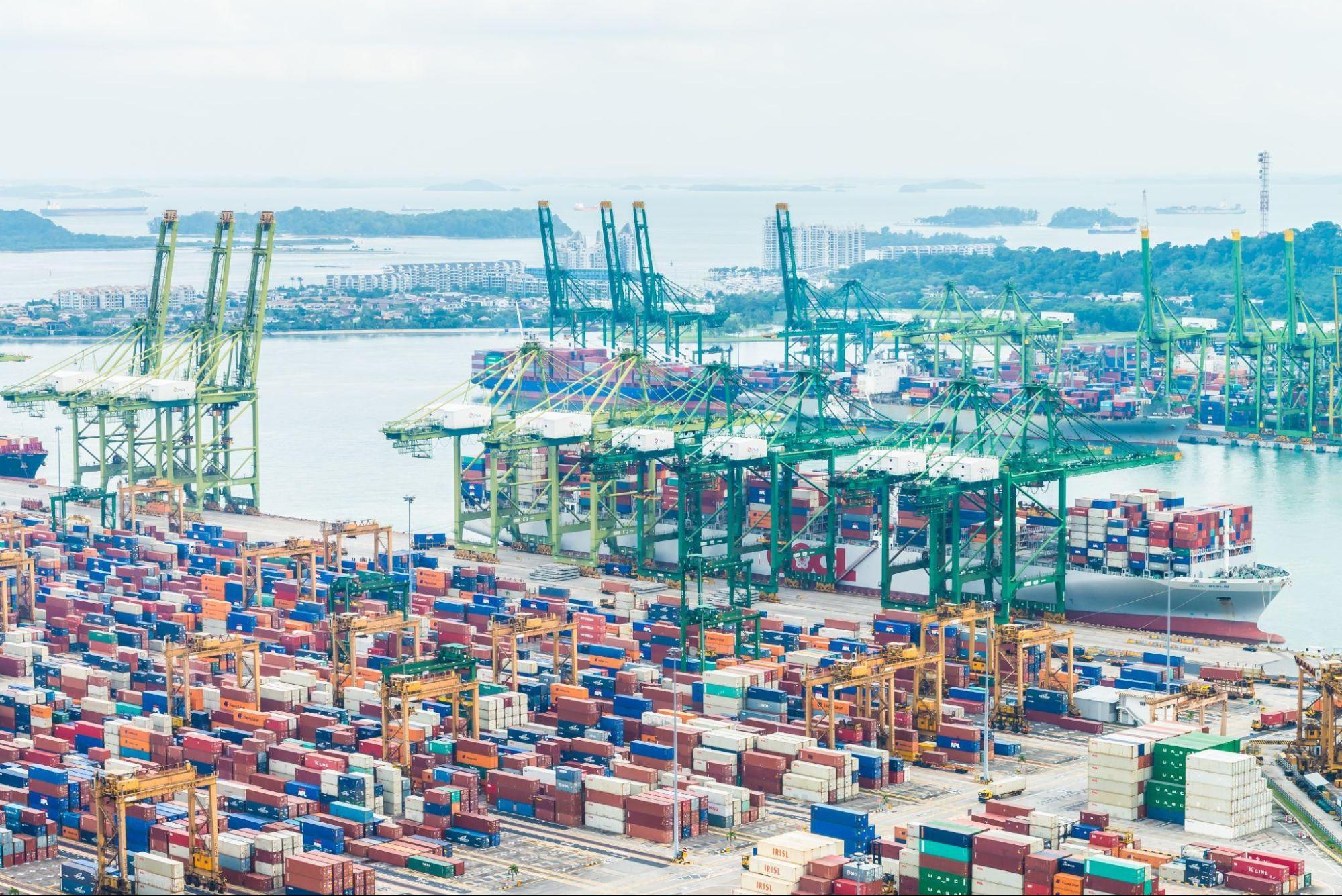
With TradeNet requirements, FTZ operations, and air freight volatility, navigating Singapore’s logistics landscape demands expertise that many SMEs cannot build in-house and requires the right logistics service provider.
A collaborative 3PL partner like SH Ground Services provides enterprise-level capabilities, including advanced systems, processes, and networks, while maintaining the flexibility to tailor solutions to your needs.
This allows SMEs to access the capabilities of a large logistics provider without sacrificing responsiveness and personalised support.
Building a More Resilient Supply Chain Through Collaboration
As supply chains become more interconnected, collaboration is essential for maintaining efficiency and control. By aligning partners, sharing information, and responding quickly to change, businesses can build more resilient and adaptable operations.
With SH Ground Services, dedicated account management and advanced reporting provide the clarity and operational support needed to build a more integrated and resilient supply chain.
Speak with our team to explore how a collaborative approach can support your operations.