


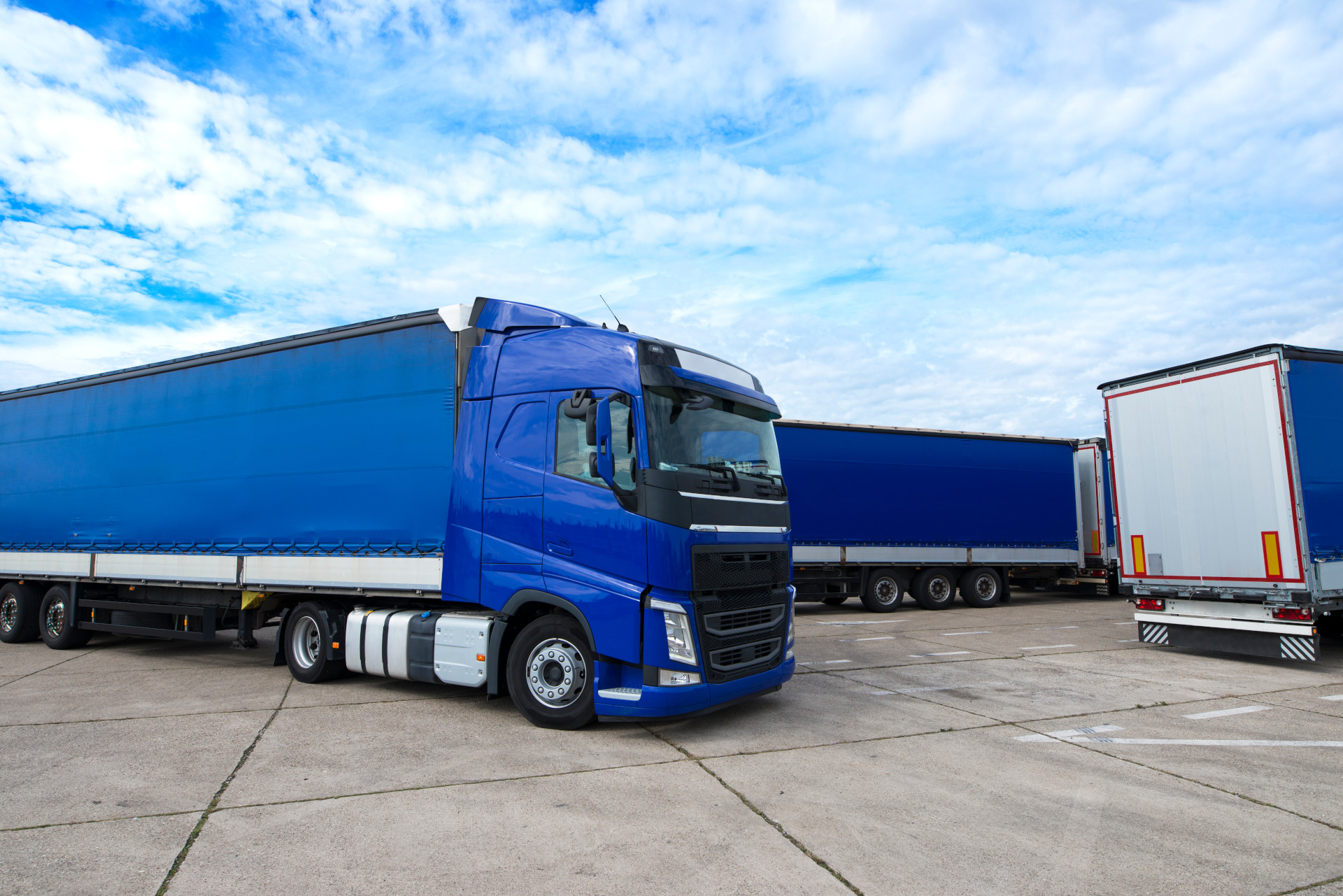
What is FTL Shipping and How is It Different from LTL Shipments?
For businesses involved in transporting goods, understanding shipping methods is essential. Among the most common options are Full Truckload (FTL) and Less-Than-Truckload (LTL) shipping. While FTL shipping dedicates an entire truck to a single shipment, LTL shipping combines multiple smaller consignments into a single vehicle.
Each approach offers unique benefits depending on shipment size, urgency, and cost considerations, making it crucial to choose the right solution to streamline your business’s operations and protect cargo.
What is the Meaning of FTL in Ground Logistics?
FTL shipping refers to moving a shipment that occupies an entire truck, providing exclusive use of the vehicle from origin to destination. In ground logistics, this means goods are transported directly without being combined with other consignments, reducing handling and transit risks.
Businesses often choose FTL for large shipments that require faster delivery or when shipping fragile items. The direct nature of FTL allows logistics providers to maintain stricter schedules, which is especially beneficial for time-sensitive deliveries. Moreover, because the truck is fully dedicated to one customer, there is better oversight of cargo safety, minimising the chances of damage during transit.
What is LTL Shipping?
LTL shipping, in contrast, accommodates smaller shipments that do not require a full truck. Multiple consignments from different businesses are consolidated into a single vehicle.
This method is ideal for businesses that ship irregular quantities or smaller volumes, allowing them to pay only for the space their cargo occupies. However, since LTL shipments involve multiple stops, transfers, and handling, transit times can be longer, and there can be a risk of minor damage.
FTL vs. LTL: Their Core Differences
Although both FTL and LTL move freight over the road, they differ in how they operate within supply chains and service availability.
- Flexibility: LTL offers multiple daily or weekly departures, enabling businesses to ship smaller loads as needed without waiting to fill an entire truck. FTL follows scheduled bookings for full truckloads, providing dedicated transport but less flexibility for smaller or time-sensitive shipments.
- Cost: LTL is cheaper for smaller shipments because businesses pay only for the space occupied by their cargo. FTL is better suited for full truckloads but is generally more expensive since the shipper pays for the entire trailer, regardless of how much space is used.
- Shipper Control: LTL offers less control over routing and schedules, as carriers plan deliveries for multiple consignments. FTL provides complete control, with direct point-to-point transit and scheduling tailored to the shipper’s needs.
Choosing Your Trucking Partner in Singapore
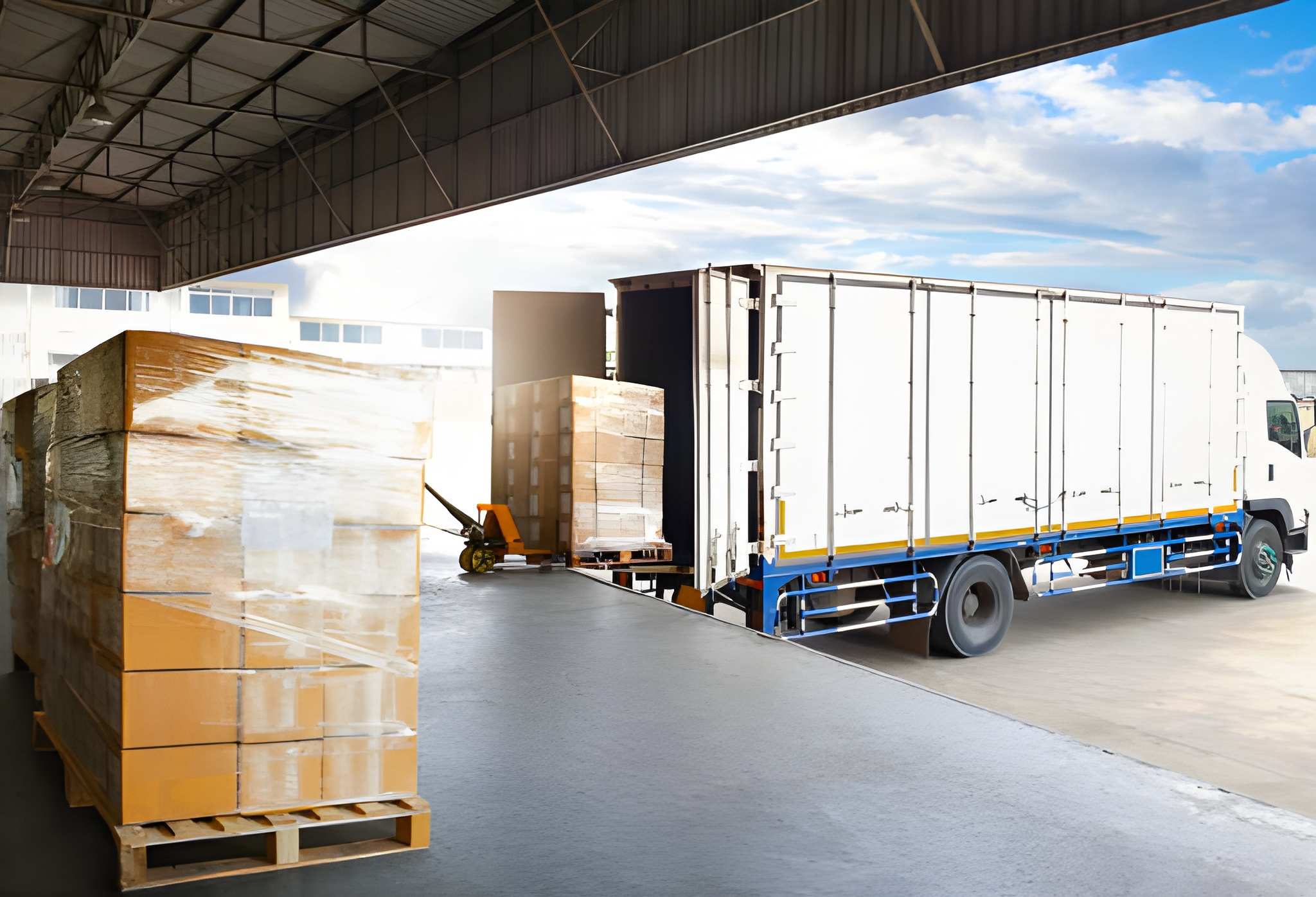
For businesses handling diverse consignments, partnering with a reliable provider with the right fleet capacity is essential. SH Ground Services stands out as a trusted partner for trucking services, offering a diverse fleet of 10FT to 24FT trucks and lorry transport services, capable of handling both small and large shipments.
Our services include DG-certified and temperature-controlled transport, ensuring compliance, safety, and cargo integrity. With real-time tracking, dedicated account managers, and expert operations support, we deliver seamless, efficient solutions for 3PL logistics in Singapore.
Contact us today to discuss tailored shipping solutions for your business.