


How to Import Food to Singapore Successfully
Singapore is a food lover’s paradise, celebrated for its rich and multicultural culinary landscape. From regional dishes to international cuisines, residents enjoy a wide variety of flavours every day.
Interestingly, over 90% of the country’s food supply is imported, according to the 2023 Singapore Food Statistics. You can import food into Singapore to keep up with this high demand, but you’ll first need to navigate a few essential steps to get started.
To import food into Singapore, your business must be properly registered, licensed, and compliant with the country’s strict food safety regulations. This includes applying for the right permits, preparing accurate documentation, and ensuring your products meet all inspection and labelling requirements.
We’ve outlined a quick guide below to help you import food to Singapore smoothly and efficiently.
Essential Prerequisites: Licensing and Registration
To begin, there are a few key requirements you’ll need to prepare:
Register as a Food Importer
Before you can import food into Singapore, your business must be registered with the Accounting and Corporate Regulatory Authority (ACRA) and have a valid Unique Entity Number (UEN).
Once you have your UEN, it must be activated with Singapore Customs so that your business can import food products into the country legally.
Obtain Your Food Import License in Singapore
A food import license is mandatory for all commercial food products you plan to bring into Singapore. This ensures that all imported food meets national safety standards and protects public health.
The type of license or registration you’ll need depends on the food category:
- Licenses are required for importing meat, fish, fresh fruits and vegetables, or shell eggs.
- Registration is required for importing processed food and food appliances, such as utensils and containers.
Applications are submitted via the GoBusiness portal, and annual fees may apply depending on the license type. Importers must also maintain a GIRO account with the Singapore Food Agency (SFA) for license renewals and permit payments.
The Step-by-Step Food Import Process
Each food shipment entering Singapore is subject to strict oversight. Here’s how to manage the process end to end:
1. Apply for an Import Permit in Singapore
After obtaining your food import license or registration, you’ll need to apply for an import permit for every food shipment entering Singapore. This is done via the TradeNet system, using your activated UEN.
During the application, you’ll be required to submit relevant documents and pay the applicable fees. While processing times may vary in some cases, the SFA does typically issue permits within one working day if all details are in order.
Key Application Details:
- Product/HS Codes: Use the correct code that matches your food item.
- Establishment Codes: Required for certain products like meat and fresh produce, based on the exporting facility.
- Documents: Include necessary health certificates, lab reports, or other supporting documents to avoid delays.
- Fees: Import fees vary by product type and are payable via GIRO.
Here’s an overview of what foods Singapore import and their current fees per consignment:
| Food Type | Fee Per Consignment |
|---|---|
| Chilled/Frozen/Processed Meat | S$300 |
| Canned Meat | S$77 |
| Fish | S$3 |
| Fruits & Vegetables | S$3 |
| Shell/Processed Eggs | S$62 |
| Other Processed Egg Products | S$22 |
| Processed Food | No fee |
| Rice | No fee |
Source: Singapore Food Agency
Once Singapore Customs and the SFA approve your application, you’ll be issued a Cargo Clearance Permit (CCP), which serves as your official SFA import permit for that consignment.
2. Ensure Product Compliance and Documentation
To safeguard public health, SFA enforces strict food safety and quality regulations on all food products entering the country. As an importer, it’s your responsibility to ensure that every item in your consignment meets these requirements before it reaches the market.
To support your import application and inspection process, several key documents must accompany your shipment:
- Health certificates issued by the relevant authorities in the exporting country
- Laboratory analysis reports (if required for your product type)
- Detailed packing lists outlining contents and quantities
- Commercial invoices and permits, where applicable
In addition, all food products must be labelled accurately in accordance with Singapore’s labelling regulations. This includes clear declarations of product name, country of origin, ingredients, expiry dates, and storage instructions.
For product-specific documentation and labelling requirements, it’s best to consult the Singapore Food Agency directly or refer to their latest published guidelines.
3. Manage Customs Clearance and Inspection
Before distribution, your imported food may be inspected by the SFA. These checks are not always scheduled in advance; some are routine and carried out without prior notice.
However, if your CCP states that an inspection is needed, you’ll be required to make a booking using the code provided. Bookings are made via SFA’s Inspection & Laboratory e-Service.
Make sure to prepare the following documents:
- Cargo Clearance Permit (CCP)
- Health certificates
- Invoices
- The consignment of food for inspection
To simplify the process, it’s advisable to work with a logistics service provider experienced in food import procedures.
Our team at SH Ground Services, for instance, has a strong understanding of Singapore’s customs procedures and food import regulations. We help manage the entire process, from preparing documentation and handling air freight clearance to coordinating inspections.
This ensures your shipments clear customs smoothly, compliantly, and without delay.
Key Considerations for Importing Food Products
Successful food imports depend not only on permits, but also on how you handle safety, quality, and compliance.
1. Adherence to Food Safety Standards
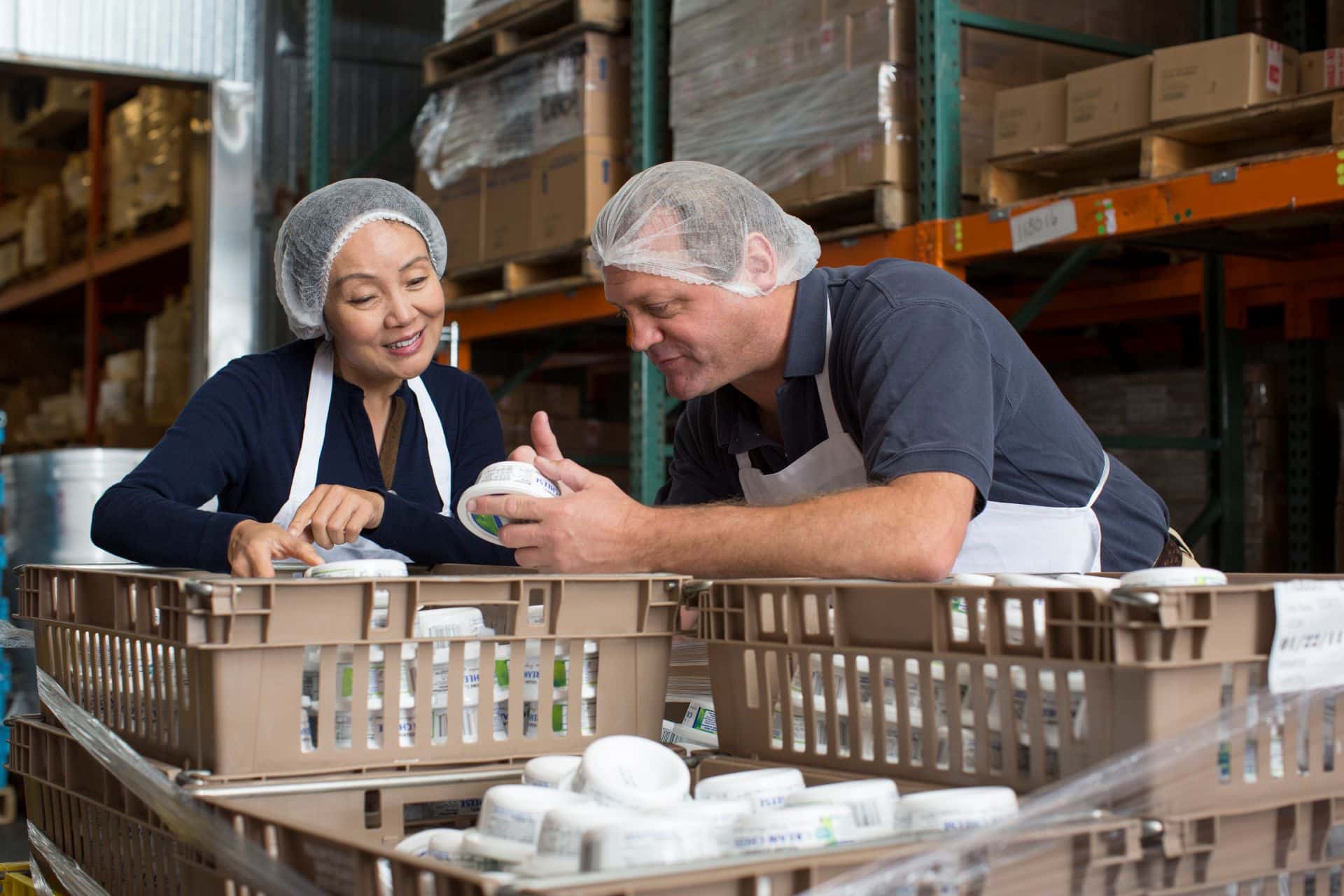
To protect public health, the SFA enforces strict regulatory limits on substances found in food, including both food additives and incidental constituents. These limits ensure that products are safe for consumption and comply with Singapore’s Food Regulations.
The standards are developed using guidelines from the Codex Alimentarius Commission (CAC), as well as regulations from other developed countries, local food consumption patterns, and scientific risk assessments.
All food businesses, whether importers, retailers, manufacturers, or online sellers, must ensure that the additives (e.g., preservatives, colouring agents) and incidental substances (e.g., contaminants from processing or packaging) in their products stay within approved limits.
You can visit the SFA’s official website for an overview of the food safety regulatory limits.
2. Handling Perishable and Sensitive Goods
Importing food, especially perishable or temperature-sensitive items, comes with a unique set of challenges. Factors such as short shelf life, exposure to heat or humidity, and delays in transit can quickly compromise product quality.
To avoid spoilage or regulatory issues, it’s essential to have proper storage and handling in place throughout the supply chain.
SH Ground Services offers temperature-controlled warehousing and transportation solutions that support the specific needs of food imports. These facilities and systems help maintain the required conditions during transit and storage, ensuring the integrity and safety of sensitive food products from arrival to final delivery.
3. Understanding Prohibited and Restricted Food Items
Before importing food into Singapore, always check for any specific prohibitions or restrictions that may apply to your product category.
For example, chilled crab meat, raw oysters, and certain types of cooked seafood are classified as high-risk and are not permitted for import. Meanwhile, items like meat, eggs, and processed food must come from SFA-approved sources and comply with strict health and safety requirements. Some fresh produce may also require phytosanitary certificates, particularly when sourced from specific regions.
To avoid issues at the border, refer to the latest guidelines available on the SFA website.
SH Ground Services is Your End-to-End Logistics Partner for Food Imports
Successfully importing food into Singapore requires careful planning, attention to detail, and a thorough understanding of regulatory requirements. From customs clearance and import permits to temperature-controlled handling and timely delivery, SH Ground Services is equipped to support every stage of the process.
Our team combines deep industry knowledge with hands-on logistics expertise to help you navigate Singapore’s food import processes smoothly and compliantly.
Reach out to us today to ensure your food imports reach their destination safely and on time.