


Consignee vs Consignor: Key Differences in 3PL Logistics
Managing a global supply chain can be challenging, especially when a single documentation error can stall an entire shipment at the border. This is also the reason why the relationship between the party sending the goods and the party receiving them is crucial in every international transaction.
While the terms “consignor” and “consignee” might seem like mere legal jargon, these words define who holds the liability, who pays the taxes, and who ultimately owns the cargo. Simply put, the consignor initiates the journey as the sender, while the consignee completes it as the recipient.
To ensure an error-free logistics process and a more efficient distribution network, it’s also important to learn the difference between their responsibilities.
What is the Meaning of a “Consignor”?
In the shipping industry, the consignor is the party that initiates the entire transport process. As the sender of goods, this entity is frequently referred to as the shipper on legal documents.
In most commercial scenarios, the consignor is the seller, exporter, or manufacturer responsible for dispatching cargo to a buyer.
The primary responsibilities of a consignor include:
- Packaging and Preparation: Ensuring all items are properly labelled and securely packaged to withstand the rigours of airplane, sea vessel, or truck transportation.
- Documentation: Providing accurate shipping paperwork, such as commercial invoices and packing lists, to avoid customs delays.
- Logistics Coordination: Delivering the goods to the carrier or 3PL logistics provider.
- Risk Management: Bearing the financial risk of loss or damage until the cargo is legally transferred in accordance with the agreed Incoterms.
What is the Meaning of a “Consignee”?
The consignee is the entity legally entitled to receive the shipment at its final destination, typically acting as the buyer or importer. Moreover, their identity is strictly defined by being the named receiver on crucial transport documents, such as the Bill of Lading (B/L) or the Air Waybill (AWB).
Until the shipment is officially handed over by the carrier or 3PL logistics provider, the consignee typically holds the financial interest in the goods’ arrival but may not yet have full legal liability.
The primary responsibilities of a consignee involve:
- Acceptance of Goods: Taking physical possession of the cargo immediately upon freight arrival to avoid storage penalties.
- Inspection: Checking the items for any damage or discrepancies against the provided shipping documents.
- Local Logistics: Coordinating the unloading process and arranging further transportation from the port or airport to their warehouse.
- Post-Clearance Management: Overseeing internal logistics and warehouse inventory management once the goods have cleared customs.
What is the Difference Between a Consignee and a Consignor?
The core difference between a consignor and a consignee lies in their functions within the supply chain and their specific legal obligations. While one party initiates the flow of trade, the other concludes it, creating a structured transfer of responsibility and ownership.
| Consignor | Consignee | |
|---|---|---|
| Primary Role | The source and sender who initiates the shipment. | The destination and receiver who completes the shipment. |
| Legal Liability | Responsible for export preparation and risk until transfer. | Assumes liability and legal title upon receipt of goods. |
| Documentation | Must be listed as the “Shipper” on transport documents. | Must be listed as the “Receiver” on transport documents. |
The 3PL Perspective: Seamless Consignor and Consignee Management
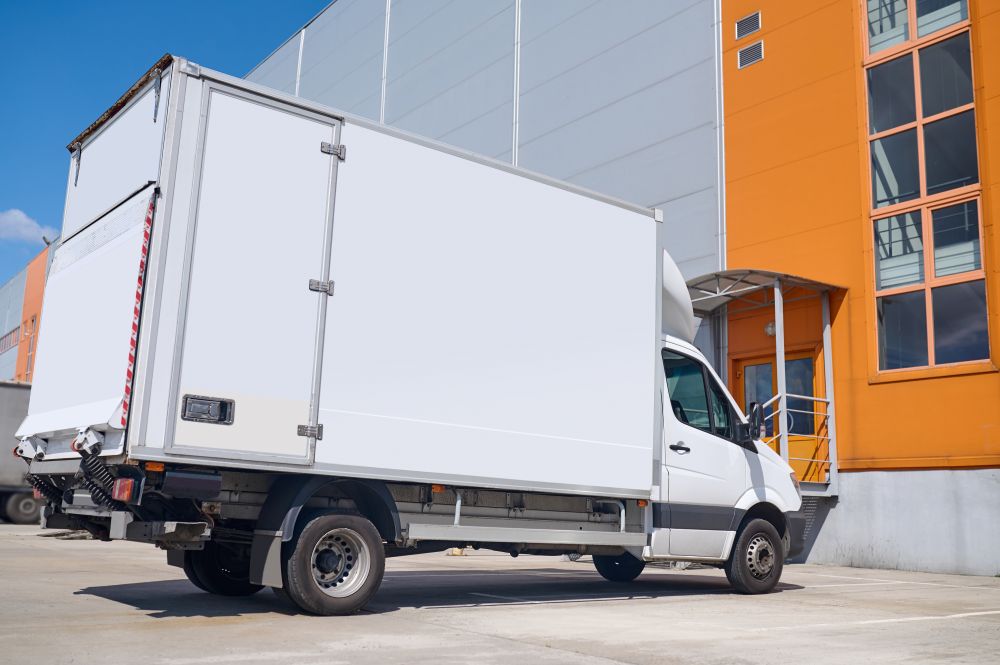
The relationship between the consignor and consignee can be prone to communication gaps and logistics delays. However, with a trusted 3PL logistics partner, you can ease the burden on the sender by having someone manage complex documentation and book reliable carriers.
For the recipient, the logistics provider can ensure smooth customs clearance and efficient final delivery.
When you work with SH Ground Services, you’ll have this crucial link. With our transparent tracking and streamlined transportation, we ensure every shipment moves from origin to destination safely.
Contact SH Ground Services today to simplify your international logistics requirements and ensure your goods are handled with professional care.