



Why Inventory Management is Important: A Guide for Logistics Success
From stockouts during peak season and dead stock eating into cash flow to warehouse space wasted on products that stopped moving months ago, several operational problems compound until they become expensive.
But with proper inventory management, most of these challenges can be avoided. By connecting every stage of the supply chain, from receiving goods and using warehousing services to fulfilling orders, your business can gain the visibility and control it needs to stay responsive and profitable.
What is the Inventory Management Process?
The inventory management process covers the full movement of goods through a business:
- Receiving stock
- Tracking quantities across storage locations
- Processing orders
- Coordinating logistics and last-mile delivery services
Each stage feeds into the next, which means a gap at any point creates downstream disruption. What’s more, the process has shifted from manual spreadsheets and periodic stock counts to real-time digital systems that update inventory levels automatically with each movement.
For 3PL operations, that integration connects warehouse management platforms directly to client systems, providing all parties with real-time visibility into stock status.
The Different Types of Inventory Management
Not all inventory carries the same risk or requires the same oversight. For example, businesses managing complex supply chains typically deal with these inventory categories:
- Raw Materials: Managing the base components used in production or assembly prevents production halts caused by supply delays.
- Work-in-Progress (WIP): These are items currently undergoing value-added services such as kitting, repacking, or assembly, which require accurate tracking to maintain accuracy across the production floor.
- Finished Goods: Products ready for immediate sale and fulfillment, where accurate counts directly affect order processing speed and customer satisfaction.
- MRO Supplies: The importance of materials for maintenance, repair, and operations is often overlooked, but running out of them can halt operations just as quickly as a stockout of finished goods.
- Safety Stock: This is a strategic buffer held in reserve to absorb supply chain disruptions and prevent stockouts during demand spikes or supplier delays.
What are the 5 Benefits of Inventory Management in Supply Chain?
Strong inventory management brings more benefits than keeping shelves stocked. Across the supply chain, it drives these measurable improvements:
- Cost Efficiency and Cash Flow: Reducing dead stock frees up capital tied to slow-moving goods, improving liquidity without requiring additional revenue.
- Demand Forecasting: Accurate inventory data helps businesses anticipate trends and avoid the bullwhip effect, in which minor demand fluctuations cascade into significant supply chain inefficiencies.
- Operational Security: Strict access controls and monitored storage reduce shrinkage from theft or damage, protecting stock value throughout its time in the warehouse.
- Customer Satisfaction: Maintaining accurate in-stock levels ensures orders are fulfilled on time, meeting the speed expectations that now define customer loyalty in most sectors.
- Optimized Space: Removing obsolete inventory frees premium warehouse space for active stock, reducing storage costs and improving pick efficiency.
Specialized Inventory Needs: Beyond General Storage
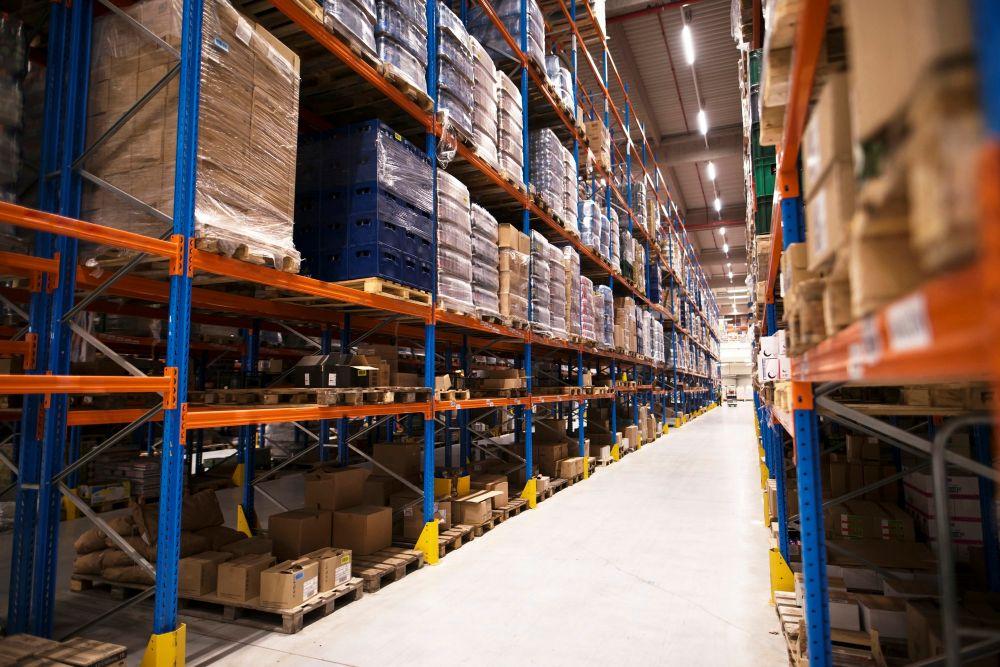
Some inventory categories require handling and tracking processes that go well beyond standard warehousing. Three areas in particular demand a more structured approach:
- Temperature-Controlled Goods: Perishables and pharmaceuticals require storage environments that maintain precise conditions throughout the holding period. Aside from damaging the product, a lapse in temperature control can also trigger regulatory non-compliance.
- E-commerce Fulfillment: High-volume online orders depend on accurate inventory systems. Rapid sorting and packing leave no room for discrepancies between what the system shows and what is physically on the shelf. For businesses scaling their online operations, effective e-commerce logistics starts with ensuring inventory accuracy.
- Tax Efficiency: Warehousing services within Singapore’s Changi Free Trade Zone (FTZ) allow businesses to defer GST on goods until they enter the local market, turning inventory placement into a direct cost-saving decision.
Optimizing Your Stock with SH Ground Services
The difference between a stagnant operation and a scalable one often comes down to inventory discipline. A well-managed warehouse, for instance, provides real-time data, faster order cycles, and the flexibility to respond when demand shifts.
SH Ground Services brings that discipline to warehousing services across three areas:
- Real-Time Visibility: Advanced reporting and tracking give clients full control over their stock levels, eliminating guesswork across the supply chain.
- Boutique Flexibility: Storage options are tailored to the client’s inventory turnover, covering both short-term surge requirements and long-term holding arrangements.
- Skilled Operations: An experienced in-house team maintains the accuracy of the inventory management process from receiving through to dispatch.
For businesses evaluating how 3PL logistics strengthens supply chain performance, inventory management is where that partnership delivers its clearest returns. Operations that look at the full picture will find that warehousing and supply chain optimization through efficient logistics services address how the physical and operational sides connect.
Contact SH Ground Services to explore how specialized warehousing services, real-time inventory, and reliable 3PL logistics services can optimize your supply chain.