


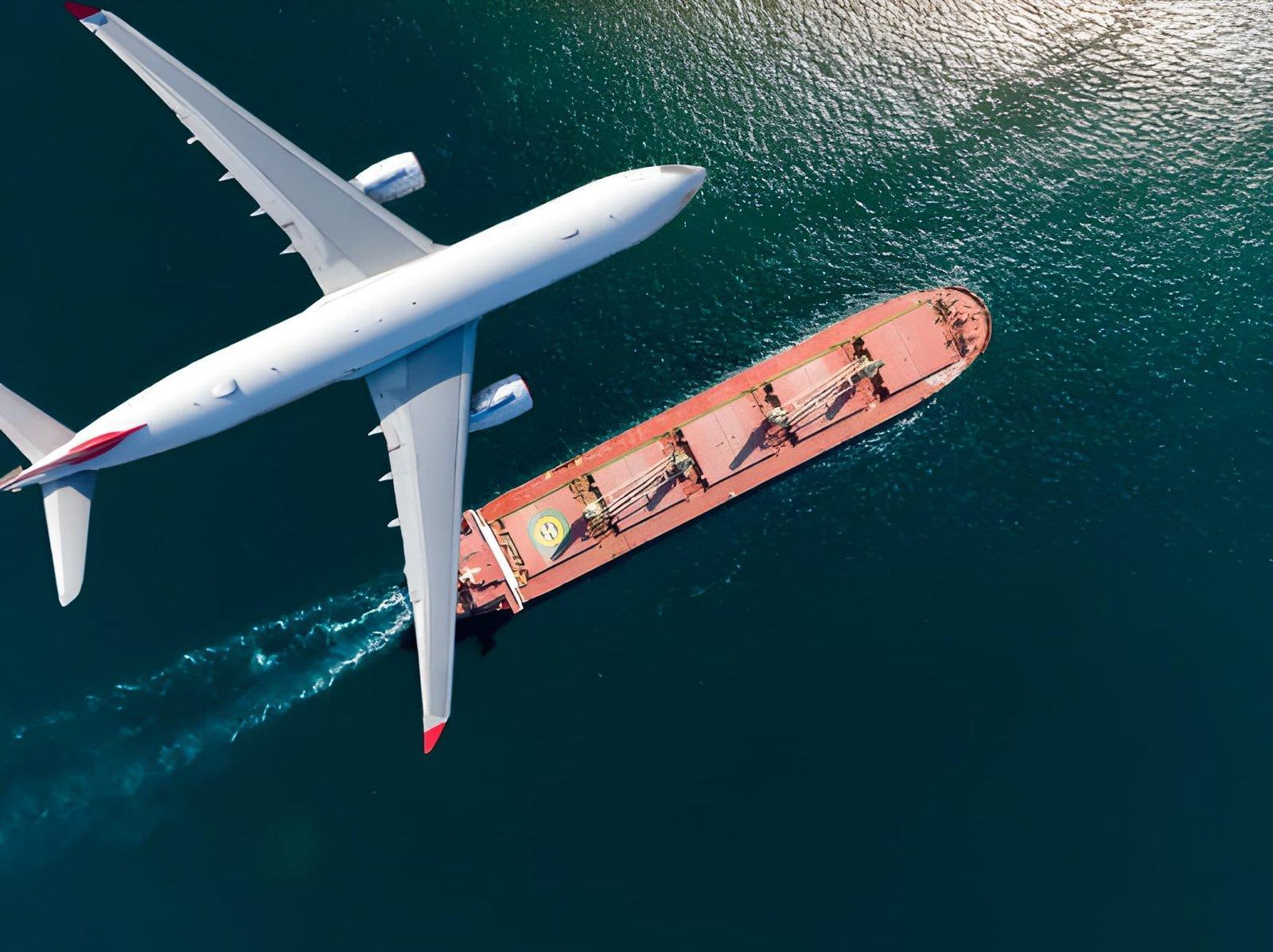
Air Freight vs Sea Freight: Strategic Navigation for Your Supply Chain
When it comes to international trade, two options stand out: air freight and sea freight. Choosing between these two modes comes down to three key factors: speed, cost, and cargo type.
While air freight moves goods within one to seven days, making it the preferred choice for time-sensitive or high-value shipments. In contrast, ocean freight typically takes 20 to 45 days but offers a significantly lower per-unit cost, especially for bulk cargo.
What is Air Freight?
Air freight refers to the transportation of goods by air. By leveraging frequent departures and globally coordinated transit times, it offers a level of reliability that maritime routes often struggle to match.
- Quick Turnaround: Ideal for goods that need fast delivery, such as electronics, pharmaceuticals, or seasonal stock.
- Careful Handling: Provides specialised care for fragile or perishable items, ensuring product integrity throughout transit.
- Supply Chain Efficiency: Reduces lead times, helping businesses minimise large inventory holdings and storage costs.
- Responsive Operations: Enables SMEs to adapt quickly to fluctuations in market demand without overcommitting resources.
- Strategic Advantage: Supports timely replenishment and helps maintain competitive customer service levels.
What is Sea Freight?
Sea freight involves transporting goods via cargo ships along established maritime routes across international waters, in contrast to air freight. As such, it is particularly suited for bulk, heavy, or lower-value items, including raw materials, machinery, and large consignments.
- Cost Efficiency: Ideal for large-volume shipments, helping reduce per-unit transport costs and optimise logistics spend.
- Bulk Transport: Suited for heavy, oversized, or lower-value goods that are less time-sensitive.
- Extended Transit Times: Longer shipping durations compared to air freight, requiring careful planning for inventory management.
- External Risks: Shipments may be impacted by port congestion, weather conditions, or geopolitical disruptions.
- Supply Chain Planning: Strategic scheduling and buffer time are essential to maintain reliability and timely delivery.
What is The Difference Between Air Freight And Sea Freight?
When evaluating air freight and sea freight, it is important to consider how each option aligns with your shipment priorities, operational timelines, and supply chain requirements.
| Factor | Air Freight | Sea Freight |
|---|---|---|
| Transit Time | 1 to 7 days (Rapid) | 20 to 45 days (Extended) |
| Cost | Higher per unit (due to fast transit and handling) | Lower per unit (due to bulk cargo; cost spreads over large volumes) |
| Reliability | High schedule accuracy due to frequent flights and controlled operations | Susceptible to delays from port congestion, weather, or geopolitical issues |
| Departure Frequency | Frequent departures with flexible routing | Limited departures with less flexibility |
| Supply Chain Risk | Lower | Higher |
| Cost Vs Value | Cost-effective for time-sensitive shipments | Lower cost only for bulk shipments |
| Best For | Suitable for urgent, high-value, or perishable goods | Ideal for large, heavy, or low-value cargo where transit time is less critical |
To make the most appropriate choice, logistics planners should evaluate these differences against a few operational questions:
- How urgent is the delivery?
- What is the size, weight, and bulk of the shipment?
- How frequently does stock need to be replenished?
- How valuable or perishable are the goods?
- Is per-unit freight cost or total supply chain cost the primary concern?
By answering them, businesses can better determine whether air or sea freight aligns with their operational priorities and delivery requirements.
Why are SMEs Choosing Air Freight?
SMEs are increasingly leveraging a mix of air and sea freight to balance cost, speed, and inventory management.
Sea Freight is used for:
- Stable, high-volume product lines
- Bulk shipments where transit time is less critical
- Cost-efficient transport for lower-value or heavy items
Air Freight is used for:
- Fast-moving or high-value SKUs
- Time-sensitive shipments that require rapid replenishment
- Products where quick stock cycles support cash flow and demand planning
When used together, these two modes complement each other, helping businesses manage costs while maintaining responsiveness where it matters most.
Partner with SH Ground Services for Air and Sea Freight Solutions
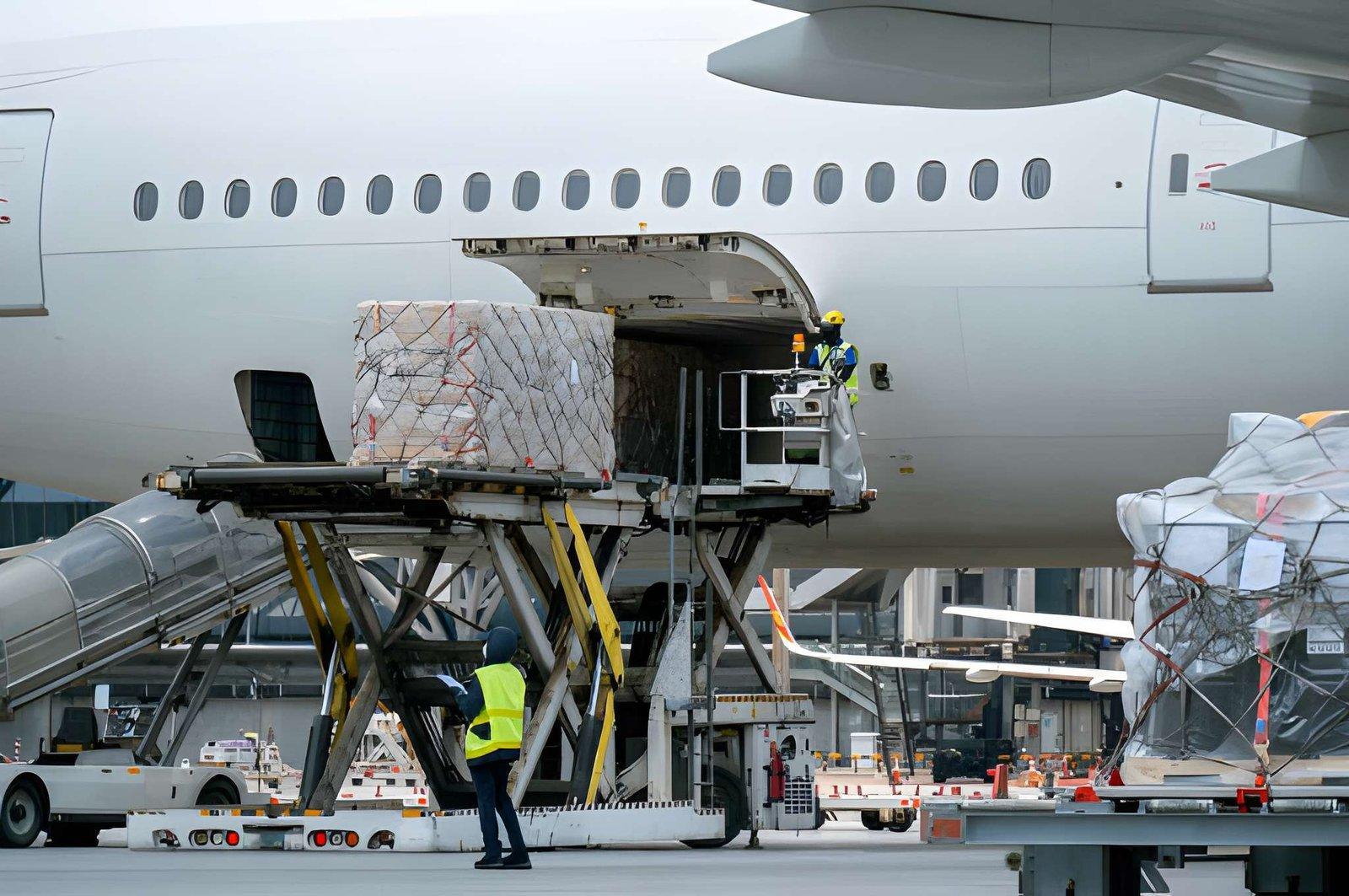
A well-planned freight strategy delivers the best results when paired with a capable logistics service provider such as SH Ground Services. Based in Singapore, we offer both sea and air freight services to support a wide range of shipping requirements.
Whether you need faster turnaround with air cargo handling and expertise in customs clearance process within free trade zones, or cost-effective shipping with reliable sea freight forwarding, our team ensures a smooth, efficient process at every stage.
In addition, our 3PL capabilities include modern warehousing facilities with advanced security features and transportation services that ensure timely delivery throughout Singapore.
Contact us today to optimise your logistics operations with solutions built around your business needs.