



What is a Forwarding Agent and Their Role in Global Trade?
Successfully moving goods across international borders is a requirement for any business engaged in global trade. This complex process is managed by a forwarding agent, a specialised coordinator also known as a freight forwarder. Their role is to act on behalf of a business, organising and overseeing the entire shipping journey from its point of origin to its destination.
But what are their specific responsibilities, and how do they differ from other logistics partners?
What is the Role of a Forwarding Agent?
A forwarding agent functions as a client’s advocate, organising the shipment without owning the transport assets. They leverage an extensive network of air, sea, and land carriers to manage the entire logistics operation efficiently.
Their scope of work includes several core responsibilities:
- Documentation Management: Preparing and processing all necessary shipping and customs documents to ensure compliance.
- Customs Clearance: Managing all procedures for customs, including air freight clearance, to prevent delays at borders.
- Carrier and Route Selection: Arranging the most efficient and cost-effective transport solutions.
- Cargo Management: Coordinating the entire transit of the goods, from initial pickup to final delivery.
What is the Difference Between a Shipping Agent and a Forwarding Agent?
Although the terms are sometimes used interchangeably, the functions of a shipping agent and a forwarding agent are distinct, differentiated by who they represent and the scope of their responsibilities.
A shipping agent represents the carrier, such as a specific shipping line, at a port. Consequently, their responsibilities are limited to the vessel’s needs at that single location, including handling port calls, managing dues, and completing the ship’s manifest.
In contrast, a freight forwarding agent represents the cargo owner, meaning their focus is on the goods throughout the entire journey. They manage the complete door-to-door workflow by organising multiple carriers and services.
Why Should You Partner with a Reliable Freight Forwarder?
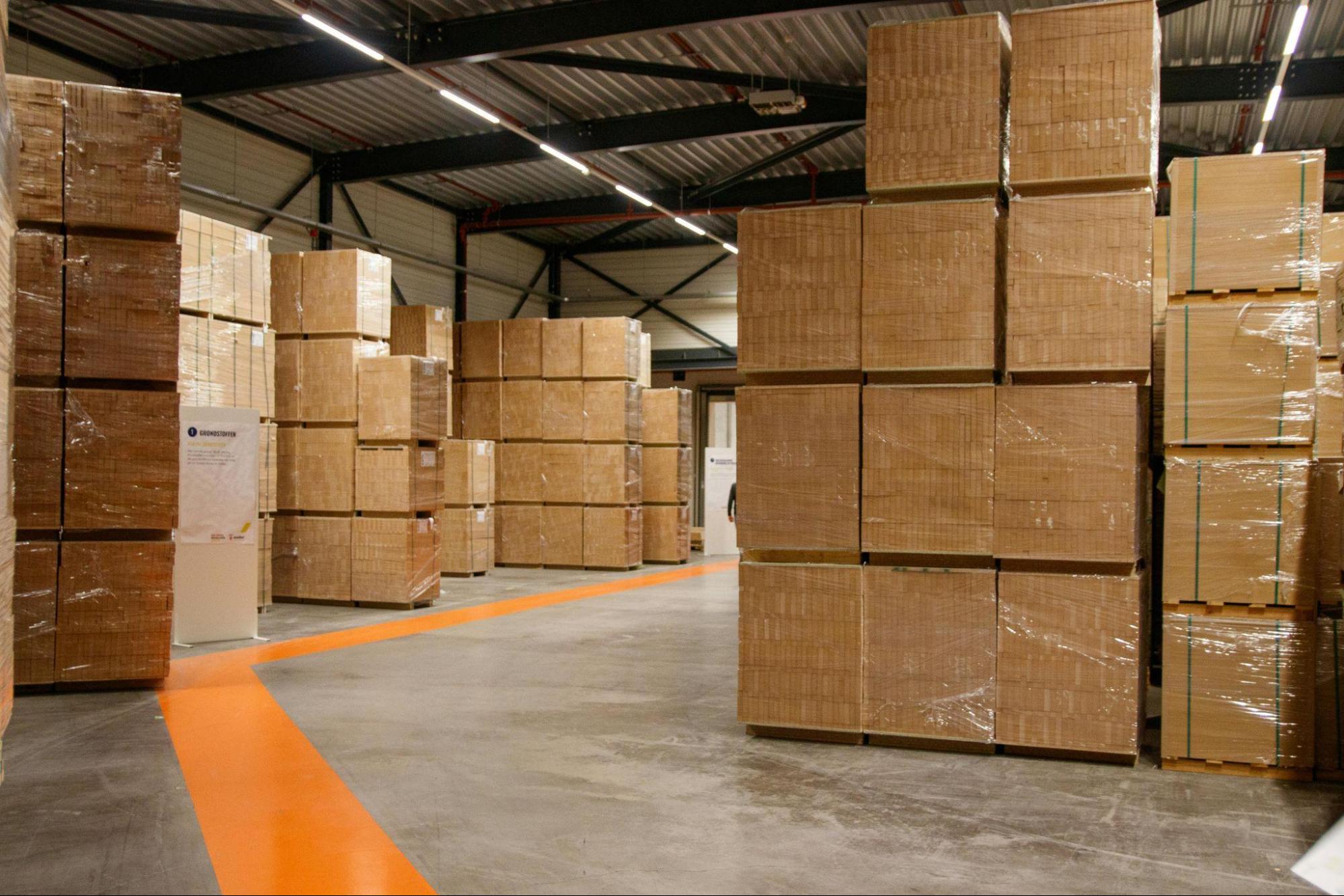
Partnering with a knowledgeable freight forwarder is a sound business decision for global trade, providing distinct advantages that streamline the entire shipping operation.
1. Expertise and Compliance
A reputable forwarder has a thorough knowledge of complex international regulations, ensuring all documentation is prepared correctly. This expertise directly minimises the risk of costly delays, fines, or confiscation of goods at customs.
2. Network and Cost Optimisation
Through an established network of global carriers and partners, a forwarder can identify the best routes and negotiate competitive rates. This access often results in significant cost savings for the client.
3. Convenience and Transparency
Working with a forwarder simplifies communication by providing a single point of contact for the entire shipping process. They manage all logistical components, from documentation to final delivery, offering clear visibility and reducing the administrative burden.
5. Tailored Solutions
Professional forwarders offer customised solutions based on a client’s specific needs. Whether you require time-sensitive air cargo services or complex multi-modal transportation, they can design a plan that fits your requirements.
Your Strategic Partner in Freight Forwarding
Your supply chain’s efficiency and reliability depend on the capability of your forwarding partner. SH Ground Services manages every aspect of the logistics process with precision, providing a single point of contact to simplify the entire international shipping journey for our clients.
Contact SH Ground Services to discuss how our team can manage your freight services and forwarding needs.